Blueberry Scones
Author: Lu
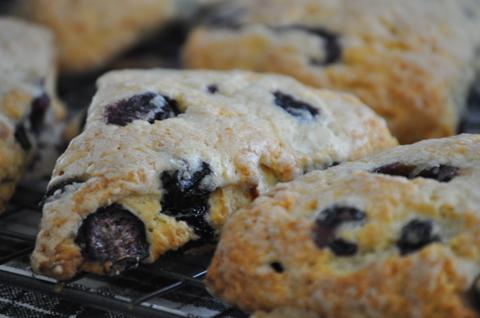
These homemade blueberry scones are tender, buttery, and delicately flavored with fresh lemon zest and juicy blueberries. Plain yogurt gives the dough a soft texture, while cold butter creates a wonderfully delicate, crumbly interior. Finished with melted butter and a sprinkle of sugar, these golden scones are perfect for breakfast, afternoon tea, or a cozy weekend treat.
Ingredients:
| • sugar | ¼ cup (50 g) |
| • salt | ½ teaspoon (3 g) |
| • vanilla extract | ½ teaspoon (2.5 ml) |
| • All-purpose flour | 2 cups (250 g) |
| • baking powder | 1 tablespoon (12 g) |
| • eggs | 2 large |
| • unsalted butter | 6 tablespoons (85 g) |
| • plain yogurt | ⅓ cup (80 g) |
| • lemon zest | 1 lemon |
| • sugar (for topping) | 2 tablespoons (25 g) |
| • fresh blueberries | 1 cup (150 g) |
| • unsalted butter (for brushing) | 2 tablespoons (28 g) |
PREPARING THE INGREDIENTS
1. Preheat the oven to 375°F (190°C). Line a baking sheet with parchment paper.
2. Cut the cold butter into small cubes and return it to the refrigerator until ready to use. Keeping the butter cold is essential for achieving tender, flaky scones.
3. Finely grate the zest of one lemon, avoiding the bitter white pith.
4. Wash the blueberries and gently pat them completely dry with paper towels. Set aside.
MAKING THE DOUGH
5. In a large mixing bowl, combine the flour, baking powder, and salt. Whisk until evenly distributed.
6. Add the cold cubed butter to the flour mixture. Using your fingertips or a pastry cutter, rub the butter into the flour until the mixture resembles coarse crumbs, with some small pea-sized pieces of butter remaining. Avoid overworking the mixture, as the butter should stay cold.
7. In a separate bowl, whisk together the eggs, plain yogurt, granulated sugar, vanilla extract, and lemon zest until smooth and combined.
8. Pour the wet mixture into the flour and butter mixture. Gently stir with a fork or spatula just until the dough begins to come together. Do not overmix.
9. Carefully fold in the blueberries, distributing them throughout the dough without crushing them.
SHAPING THE SCONES
10. Lightly dust a clean work surface with flour. Transfer the dough onto the surface and gently bring it together with your hands. If the dough feels sticky, sprinkle a little additional flour over the surface.
11. Pat the dough into a circle approximately 1 inch (2.5 cm) thick. Try to handle it as little as possible to keep the scones tender.
12. Cut the circle into 8 equal wedges using a sharp knife or bench scraper. Carefully transfer the wedges to the prepared baking sheet, leaving space between them.
BAKING
13. Melt 2 tablespoon of butter. Brush the tops of the scones with melted butter, then sprinkle evenly with the remaining sugar.
14. Bake for approximately 20 minutes, or until the scones are golden on top and lightly browned around the edges. A toothpick inserted into the center of a scone should come out without wet dough, although it may have a little blueberry juice on it.
15. Remove the baking sheet from the oven and let the scones rest for a few minutes. Transfer them to a wire rack and allow them to cool completely, or serve slightly warm.
The finished scones should have a lightly crisp, golden exterior and a soft, tender interior filled with juicy blueberries and fresh lemon flavor.
SERVING IDEAS:
- Serve slightly warm with softened butter and homemade blueberry jam.
- Enjoy with lemon curd or a generous spoonful of whipped cream.
- Serve alongside a cup of English breakfast tea or freshly brewed coffee.
- For an afternoon tea presentation, arrange the scones on a serving plate with clotted cream, strawberry preserves, and fresh blueberries.
TIPS & VARIATIONS:
- Keep the butter cold throughout preparation. Small pieces of cold butter create pockets of moisture and steam during baking, helping the scones develop a tender, crumbly texture.
- Do not overwork the dough. Mix only until the ingredients come together. Excessive mixing can make the scones dense and tough.
- Make sure the blueberries are completely dry before adding them to the dough. Excess moisture can make the dough sticky and affect the texture.
- Use fresh lemon zest rather than bottled lemon flavoring for a brighter, more natural citrus aroma.
- If the dough becomes too soft or warm while shaping, refrigerate it for 15–20 minutes before baking.
- For a sweeter variation, drizzle the cooled scones with a simple lemon glaze made from powdered sugar and fresh lemon juice. (Lemon glaze: mix ½ cup (60 g) powdered sugar with 1–2 tablespoons (15–30 ml) fresh lemon juice until smooth and thick but pourable. Adjust with a little more sugar or lemon juice as needed.)
- Store leftover scones in an airtight container at room temperature for up to 2 days, or refrigerate for up to 4 days. Warm briefly before serving.
FUN FACTS:
The word "scone" has an interesting Scottish connection. One popular theory traces its name to the Stone of Scone, also known as the Stone of Destiny, a historic stone used in the coronation of Scottish kings. According to this theory, the original scones were flat, round cakes cut into wedges, much like the shape we still use today. While the exact origin of the word remains debated, the connection makes these humble baked treats part of a rather royal piece of Scottish history!